
Unveiling the Mysteries of Nocturnal Encounters with Departed Loved Ones
Dreams are a fascinating and often perplexing aspect of the human experience. They offer a window into our subconscious, a realm where thoughts, emotions, and memories intertwine to create vivid narratives. Among the most profound and emotionally charged dream experiences are those that feature deceased loved ones. If you’ve ever woken up wondering, “What does it mean to dream about the dead?” you’re not alone.
This common dream theme can evoke a spectrum of feelings, from comfort and solace to confusion and even distress. Many people search for the meaning of dreaming of dead relatives or interpreting dreams about deceased loved ones.
This article delves into the various interpretations of such dreams, exploring the psychological, spiritual, and cultural perspectives that shed light on these nocturnal encounters. We’ll uncover why these dreams occur, what messages they might convey, and how understanding them can offer insights into our waking lives and our grieving processes. Understanding dream symbolism dead relatives can be incredibly healing.
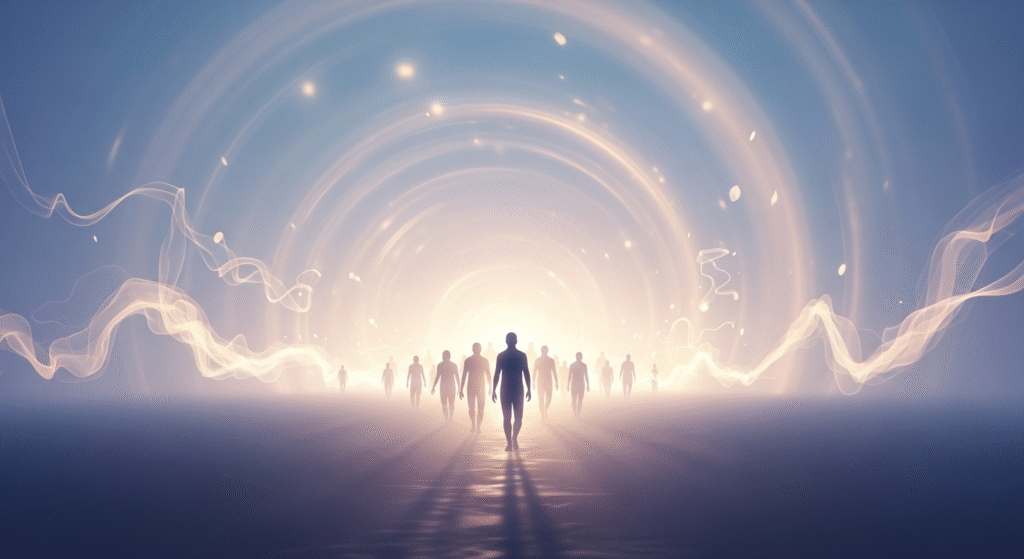
Psychological Perspectives on Dreaming of the Deceased
From a psychological standpoint, dreaming of the dead is often viewed as a natural part of the grieving process or a reflection of unresolved emotions. When we lose someone significant, our minds continue to process that loss long after their passing.
Dreams can serve as a powerful outlet for this emotional work. It’s common to dream of talking to a dead loved one as a way for our subconscious to continue conversations we miss or to express unsaid goodbyes. These dreams can be a manifestation of our desire for closure or a longing for their presence.
Psychologists often suggest that such dreams are not necessarily literal visits from the deceased, but rather a way for our brains to maintain a connection, process memories, and cope with the reality of their absence. For instance, dreaming of a dead parent alive might indicate a need for their guidance or a deep-seated wish to revisit a simpler time. Similarly, dreaming about a dead friend could be a reflection of shared memories and the enduring impact they had on your life.
These dream experiences can also be a way of integrating the loss into our personal narrative, allowing us to gradually move forward while still cherishing the memory of the person. Understanding grief dreams is a crucial part of healing. The content of these dreams can offer clues about our emotional state, revealing fears, anxieties, or even subconscious desires related to the deceased.
Spiritual and Cultural Interpretations of Dreams About the Dead
Beyond psychology, many cultures and spiritual traditions offer unique insights into what it means to dream about the dead. Across various belief systems, these dreams are often seen as more than just psychological phenomena; they can be interpreted as genuine communication or visits from the departed. In some spiritual practices, dreams about deceased family members are believed to be messages from the afterlife, offering guidance, warnings, or reassurance.
It’s not uncommon for people to seek spiritual meaning of dreaming of dead people to understand these profound experiences. Some believe that the deceased may appear in dreams to deliver unfinished messages, provide comfort during times of distress, or even to offer forgiveness. For example, dreaming of a dead person smiling might be interpreted as a sign of their peace and happiness in the afterlife, bringing solace to the dreamer.
Conversely, dreaming of a dead person angry could be a signal to address unresolved issues or guilt. Many indigenous cultures view dreams as sacred spaces where the veil between worlds is thin, allowing for meaningful interactions with ancestors.
These interpretations often emphasize the importance of listening to the messages conveyed in such dreams and reflecting on their potential significance for our waking lives. Exploring dream interpretation dead relatives from a spiritual lens can provide a profound sense of connection and purpose.
Common Themes and Symbolism in Dreams of the Deceased
Dreams about the dead rarely occur in a vacuum; they often come packed with rich symbolism and recurring themes that can offer deeper insights. One common theme is dreaming of a dead person alive and talking. This can symbolize a desire for continued communication or a need to hear their voice again. The specific words spoken in the dream can be highly significant, often providing guidance or a reflection of your inner thoughts. Another frequent occurrence is dreaming of a dead person coming back to life.
This might represent a lingering hope for their return, a difficulty in accepting their permanent absence, or even a sense of rejuvenation in your own life following a period of stagnation. The emotional tone of the dream is also crucial. A dream where you feel a sense of peace and comfort suggests a healthy processing of grief, while a dream filled with anxiety or fear might indicate unresolved issues. Dreaming of a dead person hug you can be incredibly comforting, symbolizing continued love and support from beyond.
The setting of the dream, the actions of the deceased, and your own reactions within the dream all contribute to its overall meaning. For instance, dreaming of a deceased loved one in your house could signify their enduring presence in your home and heart. Paying attention to these details can help you unlock the personal meaning behind your dreams about death and deceased loved ones.
Navigating Grief and Healing Through Dreams
For those grappling with loss, dreams about the dead can play a vital role in the healing process. While sometimes painful, these dreams can also be a source of immense comfort and a way to maintain a connection with those we’ve lost.
Recognizing these as grief dreams meaning can normalize the experience. Understanding that it’s natural to dream of loved ones who have passed away can alleviate distress and help individuals embrace the emotional journey. These dreams provide an opportunity to revisit memories, say unspoken words, or simply feel the presence of the deceased again.
For many, these dreams serve as a continuation of their bond, offering reassurance that love transcends physical boundaries. It’s important to allow yourself to feel the emotions that arise during and after these dreams, whether they are joy, sadness, or a mix of both. Talking about these dreams with trusted friends, family, or a grief counselor can also be incredibly beneficial.
For instance, if you dream of a deceased parent giving you advice, reflecting on that advice can be a way to honor their memory and integrate their wisdom into your life. Dreams can be a powerful tool for processing complex emotions and gradually coming to terms with loss, transforming grief into remembrance. The psychology behind dreaming of dead relatives often points to this profound need for connection and closure.
When to Seek Professional Guidance for Dreams of the Deceased
While dreaming of the dead is a normal and often healthy part of the human experience, there are times when these dreams can become overwhelming or distressing, indicating a need for professional guidance. If your dreams about deceased loved ones are consistently terrifying, disruptive, or cause significant anxiety in your waking life, it might be beneficial to seek support.
Persistent nightmares featuring the deceased, especially if they are violent or deeply disturbing, could be a sign of unresolved trauma or complicated grief. If you find yourself unable to distinguish between dream and reality, or if these dreams are interfering with your daily functioning, sleep patterns, or mental well-being, a conversation with a therapist or grief counselor can be invaluable. They can help you explore the underlying issues contributing to these dreams, develop coping mechanisms, and process your grief in a healthy way.
Understanding the meaning behind dreams of dead people with a professional can provide clarity and support. They can also offer strategies for managing recurring dreams or nightmares and guide you toward a place of peace and acceptance. Remember, it’s okay to ask for help when navigating the complex emotions that can arise from dreams about the departed.
Conclusion
Dreams about the dead are a multifaceted phenomenon, rich with personal, psychological, and spiritual significance. Whether viewed as a reflection of our grieving process, a profound spiritual encounter, or a symbolic message from our subconscious, these dreams offer a unique opportunity for introspection and healing. From processing unresolved emotions to finding solace and continuing a connection with those we’ve lost, understanding what it means to dream about the dead can empower us to navigate our inner world with greater awareness and compassion.
Embrace these nocturnal encounters as a testament to the enduring power of love and memory, and allow them to guide you on your journey of healing and self-discovery. The exploration of dream meaning dead relatives truly allows us to connect with our deepest emotions and memories.
FAQ
Q1: Is it normal to dream about dead people?
A1: Yes, it is very normal to dream about deceased loved ones. This is a common experience, especially for those who are grieving, and can be a way for the mind to process loss and maintain a connection with the departed. Many people experience dreams about deceased family members regularly.
Q2: Do dreams about the dead mean they are visiting me?
A2: Interpretations vary. From a psychological perspective, these dreams are often seen as your subconscious processing grief and memories. Spiritually, many believe these dreams can be genuine visits or messages from the deceased. The spiritual meaning of dreaming of dead people is a personal belief.
Q3: What does it mean if I dream of a dead person alive and talking?
A3: This often symbolizes a desire for continued communication, a longing for their presence, or a need to hear their guidance. The specific words spoken in the dream can be very meaningful to your current waking life. This relates to dreaming of talking to a dead loved one.
Q4: Should I be worried if I have nightmares about the dead?
A4: While some intense dreams are normal during grief, consistently terrifying or disruptive nightmares that cause significant anxiety in your waking life may indicate unresolved trauma or complicated grief. In such cases, seeking professional help from a therapist or grief counselor is advisable. Understanding grief dreams can help in this assessment.
Q5: Can dreams about the dead offer comfort?
A5: Absolutely. Many people find immense comfort in dreaming about deceased loved ones. These dreams can provide a sense of connection, reassurance, and a chance to revisit cherished memories, helping in the healing process. Dreaming of a dead person hug you is often a source of great comfort.
Q6: How can I interpret the specific meaning of my dream about a deceased person?
A6: Pay attention to the details: the emotions you felt, what the deceased person was doing or saying, the setting of the dream, and your own reactions. These elements, combined with your personal relationship with the deceased, can offer clues to the dream’s meaning. Looking into dream symbolism dead relatives can be helpful.
Q7: Is there a difference between dreaming of a recently deceased person and someone who died a long time ago?
A7: While both are normal, dreams about a recently deceased person are often more directly linked to the acute stages of grief. Dreams about someone who died long ago might signify a deeper processing of their memory, a need for their influence in your current life, or a reminder of their enduring impact. Dreaming about a dead friend from childhood, for example, could bring up old memories and feelings.
Q8: What if I dream of a dead person who I didn’t know well?
A8: Dreaming of a lesser-known deceased person might symbolize something less personal and more archetypal. It could represent a concept of death, loss, or transition in your own life, or it could be a reflection of collective unconscious themes. Exploring dream interpretation dead relatives in a broader sense can apply here.
Q9: Can dreams about the dead give me guidance?
A9: Many believe that dreams, especially those involving deceased loved ones, can offer guidance or insights. Your subconscious mind, drawing on memories and wisdom, might present solutions or perspectives through the imagery and interactions in the dream. Dreaming of a deceased parent giving you advice is a common example.
Q10: How do different cultures interpret dreams about the deceased?
A10: Interpretations vary widely. Some cultures view these dreams as genuine visits from ancestors, while others see them as psychological processing of grief. Many indigenous cultures consider them sacred communications. The meaning of dreaming of dead relatives is culturally diverse.
Q11: Can these dreams help me move on from grief?
A11: Yes, dreams can be a natural part of the grieving process, helping you process emotions, accept the loss, and find ways to integrate the memory of the deceased into your life while moving forward. They are an integral part of understanding grief dreams meaning.
Q12: What does it mean if I dream of a dead person coming back to life?
A12: This common dream can symbolize a lingering hope for their return, a difficulty in fully accepting their absence, or even a metaphor for a new beginning or rejuvenation in your own life after a period of stagnation. This is a powerful aspect of dream meaning dead relatives.
Q13: Is there any scientific explanation for these dreams?
A13: Scientifically, dreams are a product of brain activity during sleep, often involving memory consolidation and emotional processing. Dreams about the deceased are largely understood through the lens of psychology as a way the mind copes with loss and emotional experiences. The psychology behind dreaming of dead relatives focuses on this.
Q14: Should I try to induce dreams about a deceased loved one?
A14: While you can’t directly control your dreams, practicing mindfulness, keeping a dream journal, and engaging in reflective practices before sleep can sometimes make you more attuned to your dream experiences. However, it’s best to let these dreams occur naturally.
Q15: What if the deceased person in my dream looks different or younger/older?
A15: Changes in appearance can be symbolic. A younger appearance might represent their memory at a specific time, while an older appearance could symbolize wisdom or the passage of time. These details can offer additional layers to dream interpretation dead relatives.
Q16: Can dreams about the dead be a warning?
A16: Some spiritual beliefs suggest that deceased loved ones might appear in dreams to offer warnings or guidance. Psychologically, if you interpret the dream as a warning, it might reflect your subconscious anxieties or insights about a particular situation.
Q17: Is it always about grief when I dream of the dead?
A17: While often connected to grief, dreams of the deceased aren’t always solely about mourning. They can also represent ongoing feelings of love, the impact they had on your life, a desire for guidance, or a reflection of your personal growth.
Q18: What if I feel guilty after dreaming of a dead loved one?
A18: Feelings of guilt are common in grief. If your dream evokes guilt, it might be your subconscious prompting you to address unresolved feelings or actions related to the deceased. A therapist can help process these emotions.
Q19: How can keeping a dream journal help with these dreams?
A19: A dream journal allows you to record details, emotions, and recurring themes, which can help you identify patterns, understand the symbolism, and gain insights into the meaning of your dreams about the deceased. This is great for understanding dreams about death and deceased loved ones.
Q20: What is the overall message of dreaming about the dead?
A20: The overall message is often one of enduring connection. These dreams highlight that even in physical absence, the impact, love, and memory of those we’ve lost continue to resonate within us, influencing our thoughts, emotions, and spiritual journey. The meaning behind dreams of dead people is ultimately a deeply personal experience.

I’m Marisa Silva—an intuitive dream researcher fascinated by the symbolic power each dream image can carry.
Since I was little, I’ve realized that dreams are much more than simple nocturnal memories: they are messages from the unconscious, signs from the universe, and reflections of our soul.
At deepdreamss.com, I share interpretations, reflections, and guidance so you can decipher your own dreams and reconnect with your inner wisdom.


